

Currently Empty: $0.00

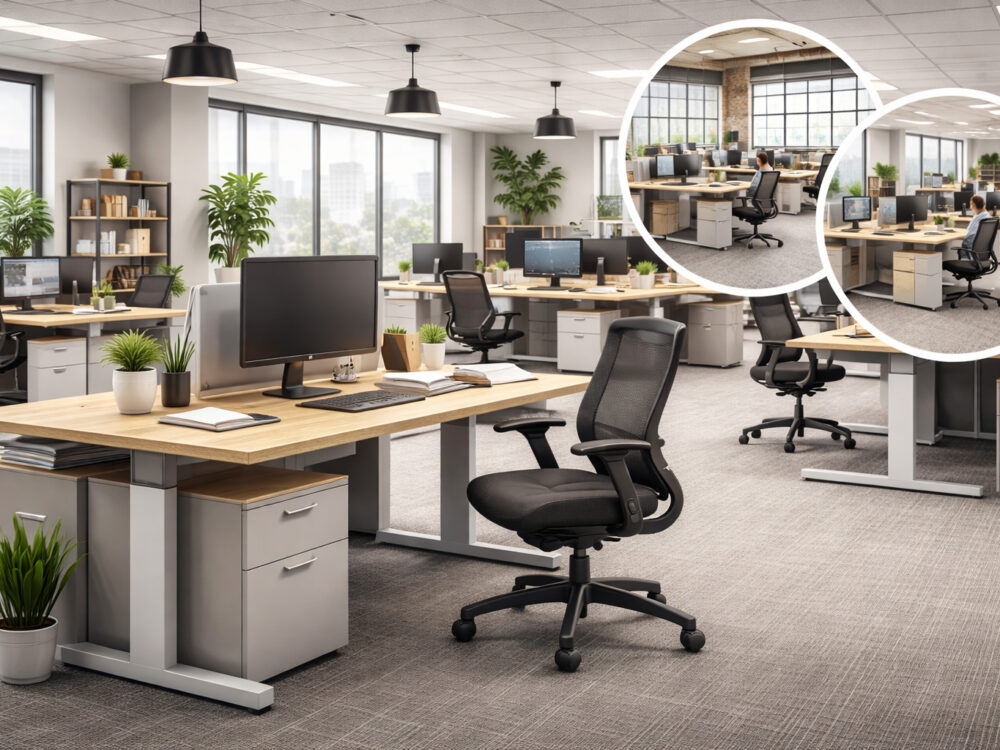
As companies grow and expand into multiple offices, maintaining consistency across locations becomes increasingly important. Furniture standards help organizations create uniform work environments that support productivity, brand identity, and operational efficiency.
Without clear standards, offices may develop inconsistent layouts, mismatched furniture, and uneven employee experiences.
Why Furniture Standards Matter
When each office purchases furniture independently, the results often include different desk sizes, inconsistent chair quality, and mismatched collaborative spaces. Over time, these inconsistencies create operational challenges.
Furniture standards provide a framework that ensures every workspace meets company expectations for quality, comfort, and functionality.
Key Elements of Effective Furniture Standards
Standardized Workstations
Establishing a consistent workstation configuration ensures that employees receive the same level of comfort and functionality regardless of location.
Ergonomic Seating Guidelines
Companies should define minimum ergonomic standards for chairs, including adjustable arms, lumbar support, and tilt functionality.
Collaborative Space Furniture
Meeting rooms, breakout areas, and lounge zones should follow consistent design principles to support teamwork and company culture.
Storage Solutions
Uniform storage systems help maintain organization and simplify facility management.
Benefits of Standardization
- Improved employee experience across offices
- Simplified purchasing processes
- Lower maintenance costs
- Stronger brand consistency
- Faster office setup for new locations
Final Thoughts
Furniture standards help growing companies maintain control as they expand. By defining clear guidelines for desks, seating, storage, and collaborative spaces, organizations can ensure every office reflects the same commitment to quality and productivity.