

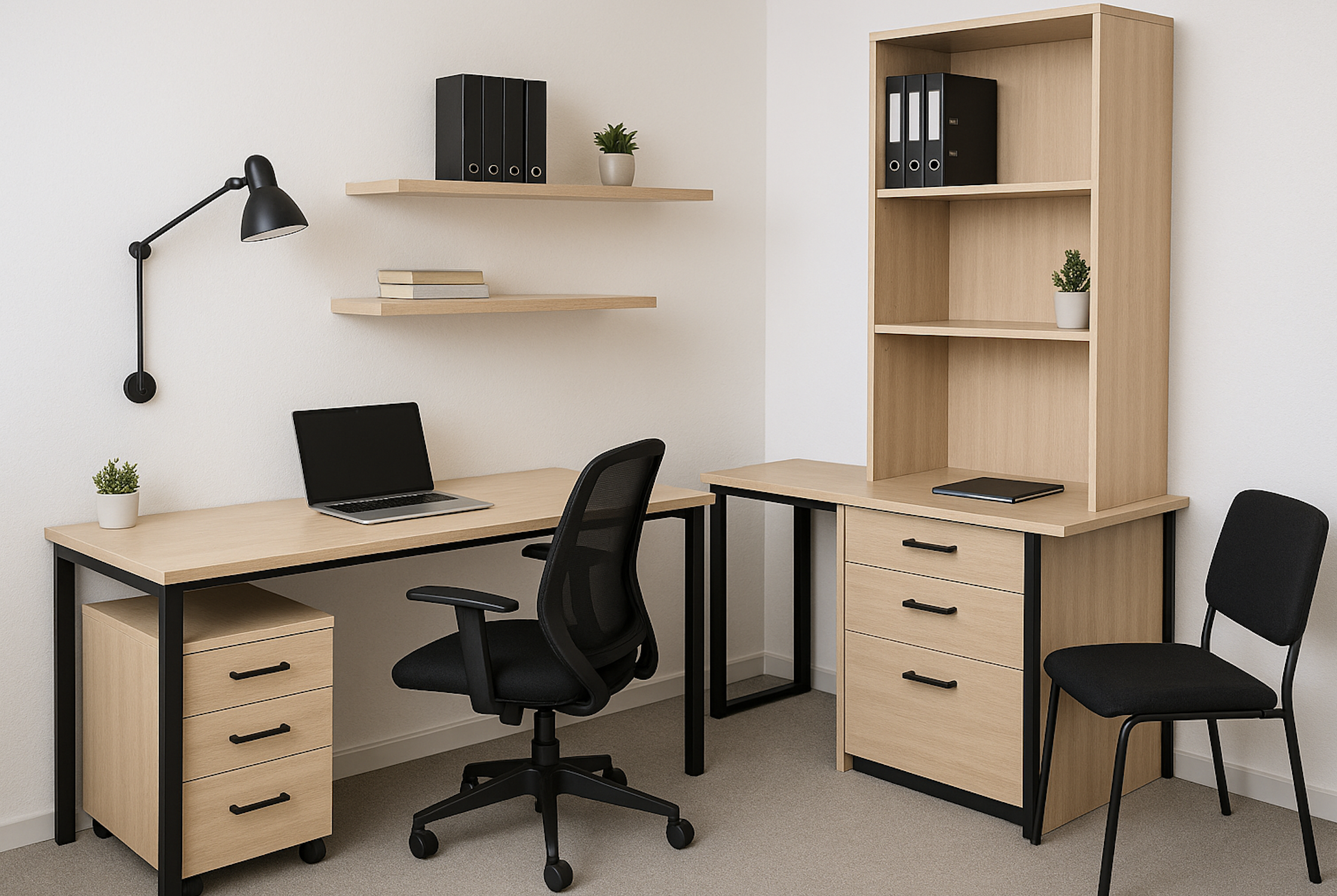
In today’s fast-evolving work environment, companies are rethinking how space is used and how employees interact with their surroundings. One of the most effective changes involves implementing smart storage furniture. These aren’t your average cabinets or filing drawers—modern smart storage solutions are designed to optimize space, enhance productivity, and adapt to the hybrid workplace model.
Understanding Smart Storage Furniture
Smart storage furniture refers to modular, often mobile, storage solutions that are multifunctional and designed to enhance usability within dynamic office environments. Unlike bulky filing systems of the past, these units can be used as space dividers, collaborative surfaces, or even tech-integrated hubs.
Why Traditional Storage Doesn’t Cut It Anymore
Traditional storage units take up space, restrict movement, and rarely align with today’s tech-driven or collaborative office cultures. With open floor plans becoming the norm, the need for smart storage furniture has risen dramatically. Employees need access to tools, documents, and equipment without navigating an obstacle course of metal filing cabinets.
Top Benefits of Smart Storage Furniture
- Space Optimization: These units often serve multiple roles—storage, seating, partitions—making every inch count.
- Mobility: Lockable wheels let staff reposition furniture easily depending on team needs or meetings.
- Design Flexibility: Modular designs can evolve as your office grows or shifts layout.
- Improved Organization: Coded drawers, magnetic walls, and labeled compartments promote tidy, clutter-free zones.
- Collaboration-Friendly: Some units include writable surfaces for brainstorming or integrated charging stations.
Designing with Smart Storage in Mind
When planning your workspace, start with a needs assessment. Which teams need instant access to physical materials? Could you reduce reliance on static furniture? Once needs are identified, choose smart storage furniture that can evolve. A startup might use rolling cubbies and tech lockers; a legal office might opt for private, labeled units with locking mechanisms.
Tech Integration in Storage
Today’s smart storage goes beyond shelves. Built-in USB ports, RFID access, or even app-controlled lockers are gaining popularity. As offices become more digitized, secure physical storage still has a place—especially when it can sync with your existing tech stack.
Real-Life Use Cases
Our clients have used smart storage furniture to:
- Create privacy zones without sacrificing light and visibility
- Support hot-desking policies with personal mobile storage pods
- Integrate whiteboards into storage walls for ideation zones
- Provide team-based storage that can be locked and relocated as needed
Final Thoughts
Smart storage furniture isn’t just a trend—it’s a critical tool for any organization aiming to create an efficient, modern workspace. By investing in flexible, integrated storage solutions, you’re not just tidying up; you’re empowering your team to work smarter.