

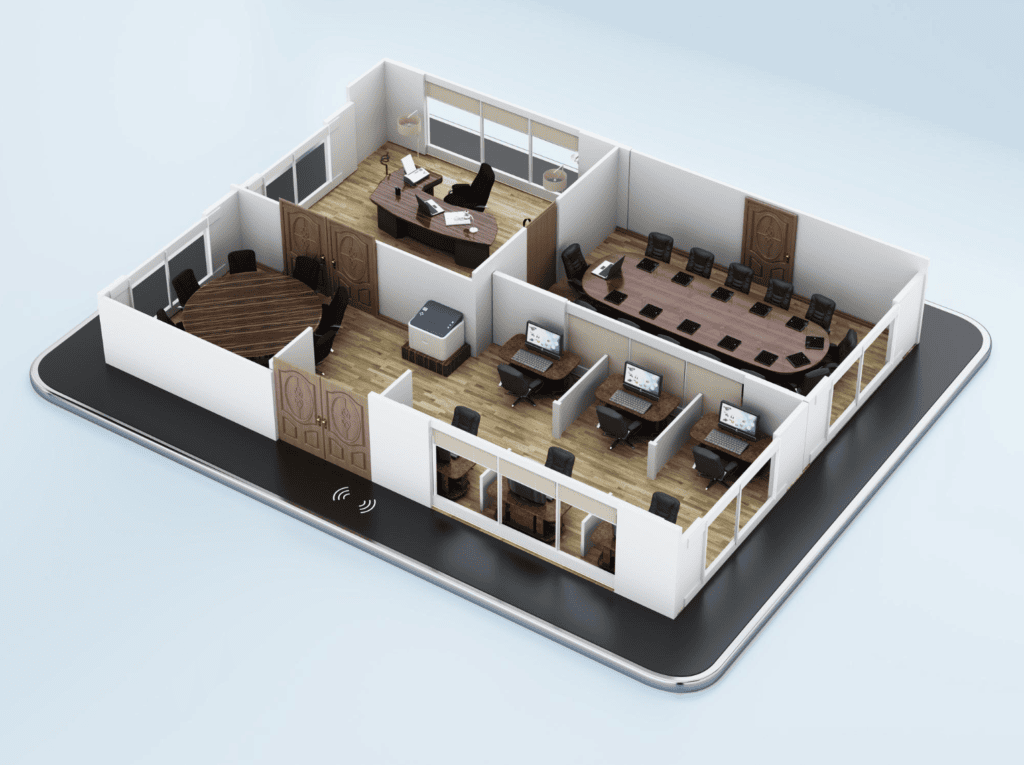
Many companies furnish their office based on current headcount — only to outgrow it far sooner than expected. Furniture planning should not reflect today’s workforce alone. It should anticipate where the company is headed.
Strategic furniture planning allows businesses to scale smoothly without constant replacements or disruptive redesigns.
Why Growth-Based Furniture Planning Matters
Office furniture decisions influence expansion costs, workflow flexibility, and operational efficiency. Without growth planning, companies face expensive upgrades, overcrowded layouts, and frequent redesigns.
Steps to Plan Furniture Strategically
Forecast Headcount Growth
Estimate hiring projections for the next 3–5 years. Furniture should support near-future growth, not just current staffing.
Choose Modular Systems
Furniture that can expand or reconfigure allows companies to adapt layouts without full replacement.
Leave Expansion Zones
Plan layouts with room for additional workstations so growth can happen without disruption.
Invest in Scalable Infrastructure
Power distribution, panel systems, and collaborative areas should accommodate future expansion.
Final Thoughts
Furniture planning should be treated like strategic infrastructure. When aligned with growth projections, it prevents costly redesigns and supports smoother expansion. Companies that think ahead create workspaces that evolve with them instead of holding them back.