

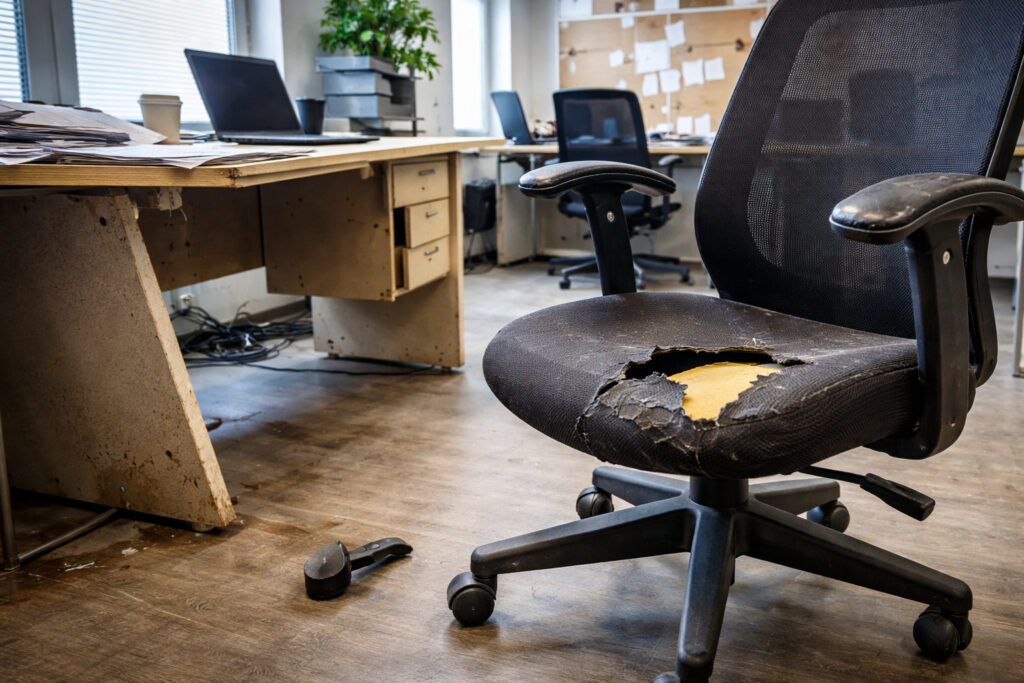
When businesses furnish an office, the temptation to choose the lowest-priced furniture is understandable. Budgets are tight, timelines are short, and on paper, inexpensive desks and chairs seem like a smart financial decision. But what many companies discover months later is that cheap office furniture often costs far more than it saves.
The true cost of furniture isn’t just the purchase price — it includes maintenance, productivity, replacement cycles, employee experience, and brand perception. In this article, we’ll explore the hidden costs of budget office furniture and how businesses can make smarter long-term decisions.
Why Cheap Furniture Is So Appealing at First
Low-cost furniture promises immediate savings and quick installation. For startups or expanding companies, it feels like a practical way to get operational fast. However, this approach often focuses only on short-term expenses rather than total lifecycle value.
The result? Furniture that looks acceptable on day one but begins creating problems much sooner than expected.
The Real Hidden Costs of Cheap Office Furniture
1. Shorter Lifespan
Budget furniture is typically made from lower-grade materials. Particleboard surfaces, weaker frames, and cheaper hardware wear out faster. What seems like savings today may require replacement within just a few years.
2. Increased Maintenance and Repairs
Loose desk joints, broken drawer slides, failing chair cylinders, and peeling surfaces require ongoing repairs. These maintenance costs quietly add up and often surpass the price difference between cheap and commercial-grade furniture.
3. Productivity Loss
Uncomfortable seating, unstable work surfaces, and poorly designed workstations reduce employee efficiency. Even small discomforts can lead to fatigue, distractions, and slower workflow — all of which have real financial impact.
4. Negative Brand Perception
Your office reflects your company. Clients, recruits, and partners notice when furniture looks worn, mismatched, or temporary. Cheap furniture can unintentionally signal instability or lack of professionalism.
5. Frequent Replacement Cycles
Instead of lasting 10–15 years, low-quality furniture may need replacing in 3–5 years. Repeated purchases create higher long-term spending and repeated disruption to operations.
How Cheap Furniture Impacts Employee Experience
Furniture influences how employees feel about their workplace. Unstable desks, uncomfortable chairs, or broken storage create daily friction. Over time, these small frustrations affect morale and engagement.
Workspaces that feel temporary or poorly equipped can also impact retention. Employees interpret the environment as a reflection of how much the company invests in their experience.
The True Cost Comparison: Cheap vs Commercial-Grade Furniture
While commercial-grade furniture requires higher upfront investment, it typically offers:
- Longer usable lifespan
- Lower maintenance costs
- Better ergonomics and comfort
- Stronger brand impression
- Higher resale or refurbishment value
When calculated over a 10-year period, quality furniture often delivers significantly lower total cost of ownership.
How to Avoid the Cheap Furniture Trap
Prioritize Lifecycle Value, Not Purchase Price
Instead of asking “What’s the cheapest option?”, ask “What will cost the least over 10 years?”
Invest Where It Matters Most
If budget is limited, prioritize seating, primary workstations, and collaborative areas. These have the greatest impact on productivity.
Consider Refurbished Commercial Furniture
High-quality refurbished furniture often delivers durability and performance at mid-range prices — offering a balance between cost and quality.
Final Thoughts
Cheap office furniture rarely stays cheap. Hidden costs appear through repairs, replacements, productivity losses, and brand impact. The smartest businesses evaluate furniture based on long-term value, not just initial price.
Choosing durable, well-designed furniture is not just a purchasing decision — it’s an investment in how your company operates, grows, and presents itself.