

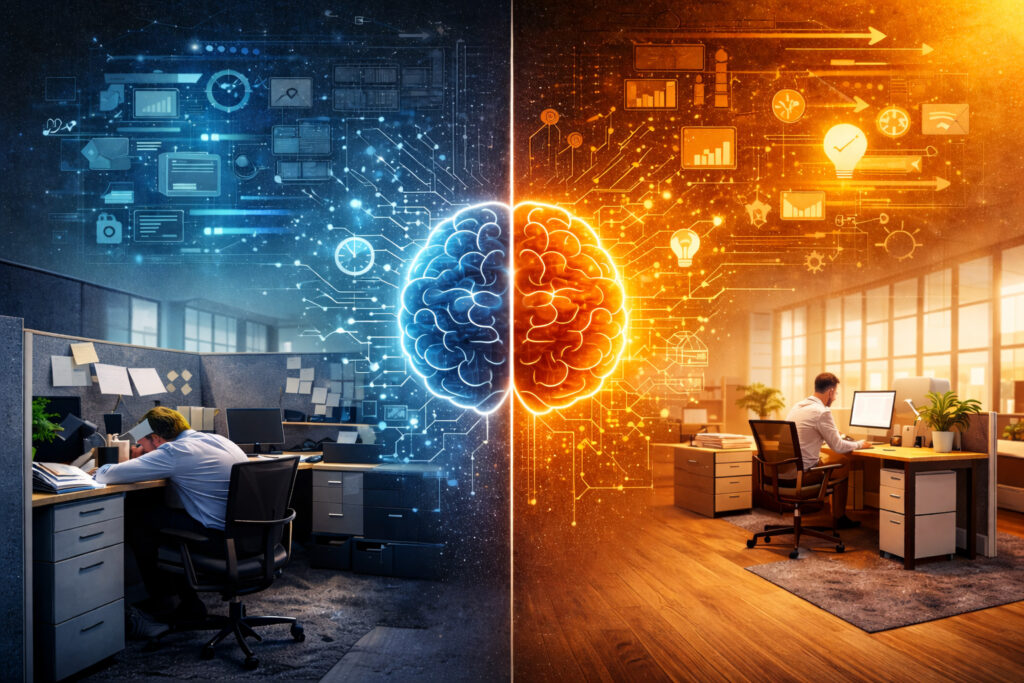
Office design isn’t just about aesthetics—it’s about performance. The way a workspace is structured can significantly influence how employees feel, think, and perform. Today’s most successful businesses recognize the deep psychological ties between environment and productivity, and they are leveraging this understanding to improve focus, innovation, and employee satisfaction.
Understanding Environmental Psychology in the Office
Environmental psychology is the study of how physical spaces influence human behavior. In the context of an office, it touches on everything from lighting and color schemes to layout and furniture ergonomics. Poor office design can lead to disengagement, burnout, and inefficiency. On the other hand, a well-designed space can foster creativity, collaboration, and focus.
Lighting: Natural vs. Artificial
Lighting is one of the most impactful yet overlooked elements in office design. Natural light is linked to better sleep, mood, and focus. Employees working near windows report higher productivity and job satisfaction. In contrast, harsh fluorescent lighting or poorly lit spaces can strain the eyes and reduce energy.
Businesses that lack access to abundant daylight can mitigate the downside by using full-spectrum LED lighting that mimics daylight and by incorporating light-diffusing elements to reduce glare and eye fatigue.
Color Psychology: Choosing the Right Palette
Colors can subconsciously influence mood and behavior. Blue enhances focus and calm—ideal for analytical work. Green encourages balance and reduces anxiety, making it a great choice for high-pressure roles. Yellow sparks creativity, while red increases energy and urgency, which may be better suited for fast-paced environments like sales floors.
Designers should consider how each workspace is used and select color palettes accordingly. Too much of one hue can backfire, so using accent colors strategically helps maintain visual interest without overwhelming employees.
Layout and Flow: Open vs. Private
The great open office debate continues. While open plans promote transparency and spontaneous collaboration, they also bring noise and distractions. Private spaces and breakout rooms are critical for deep work and meetings. The ideal office supports both—zones for collaboration and zones for focused work.
Activity-based workspaces (ABWs) are becoming more popular. These flexible layouts allow employees to choose spaces suited to their tasks—quiet zones for writing, lounge areas for brainstorming, and enclosed booths for calls. ABWs also foster a sense of autonomy, which boosts morale.
Acoustics and Noise Control
Noise is one of the top complaints in modern offices. Chronic exposure to distracting sounds reduces cognitive performance and increases stress levels. Acoustic solutions like sound-absorbing panels, carpets, noise machines, and smart layout decisions (e.g., separating collaborative zones from quiet areas) make a major difference.
Office plants can also help dampen noise while improving air quality and mood. Greenery introduces a biophilic element to design—tapping into our innate connection with nature.
Furniture Ergonomics and Employee Health
Ergonomically designed furniture helps prevent musculoskeletal problems, enhances comfort, and increases productivity. Adjustable desks, lumbar-support chairs, and properly positioned monitors allow employees to work longer without fatigue.
Wellness-focused companies now incorporate sit-stand desks, treadmill stations, and even stretching zones. These options encourage movement throughout the day, reducing the negative health effects of sedentary work.
The Role of Personalization
Allowing employees to personalize their space—even in small ways—creates a sense of ownership and psychological safety. Personal photos, desk plants, or preferred equipment choices help workers feel valued. When people feel like they have control over their environment, engagement tends to rise.
Conclusion: Design with Purpose
Office design isn’t about trends—it’s about creating an environment where people can thrive. By understanding the psychological underpinnings of space, companies can build workspaces that don’t just look great, but work great too.
As businesses navigate remote, hybrid, or return-to-office models, those who invest in thoughtful design will retain happier, healthier, and more productive teams.